The Asian Universities Alliance Academic Conference 2026 in conjunction with the 3rd International Conference on Building and Simulation (BAS2026) was held at The Hong Kong University of Science and Technology from June 11 to 13, 2026.
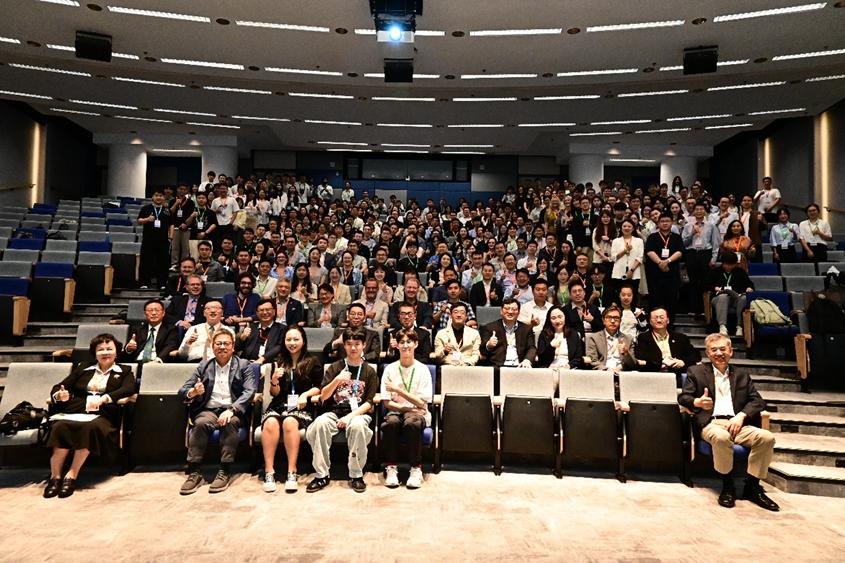
Co-organized by the Asian Universities Alliance, The Hong Kong University of Science and Technology, Tsinghua University and the journalBuilding Simulation, and hosted by HKUST’s laboratory and the GREAT Smart Cities Institute, the conference brought together global experts to address climate change challenges and accelerate the green, low-carbon and intelligent transformation of buildings and cities.
Rooted in the aims of “Forging Cross-Border Academic Collaboration to Advance Sustainable Urban Development”, BAS2026 served as a high-standard platform for exchange among researchers, architects, environmental scientists, facility managers and policymakers across Asia. Focusing on climate neutrality of buildings and cities, the conference transcended disciplinary and geographical barriers, translating theoretical research into practical, data-driven decarbonization solutions for both single buildings and entire urban districts. Following years of AUA’s efforts to unite research institutions throughout Asia, this event successfully integrated academic perspectives from both mature and emerging Asian innovation hubs into a broader global dialogues on sustainability research.
The academic workshop received 291 academic papers submitted from 22 countries and regions, attracting a total of 375 registered participants worldwide. Its agenda concluded 17 authoritative keynote speeches and 27 thematic parallel sessions, along with poster exhibitions and multiple award ceremonies.
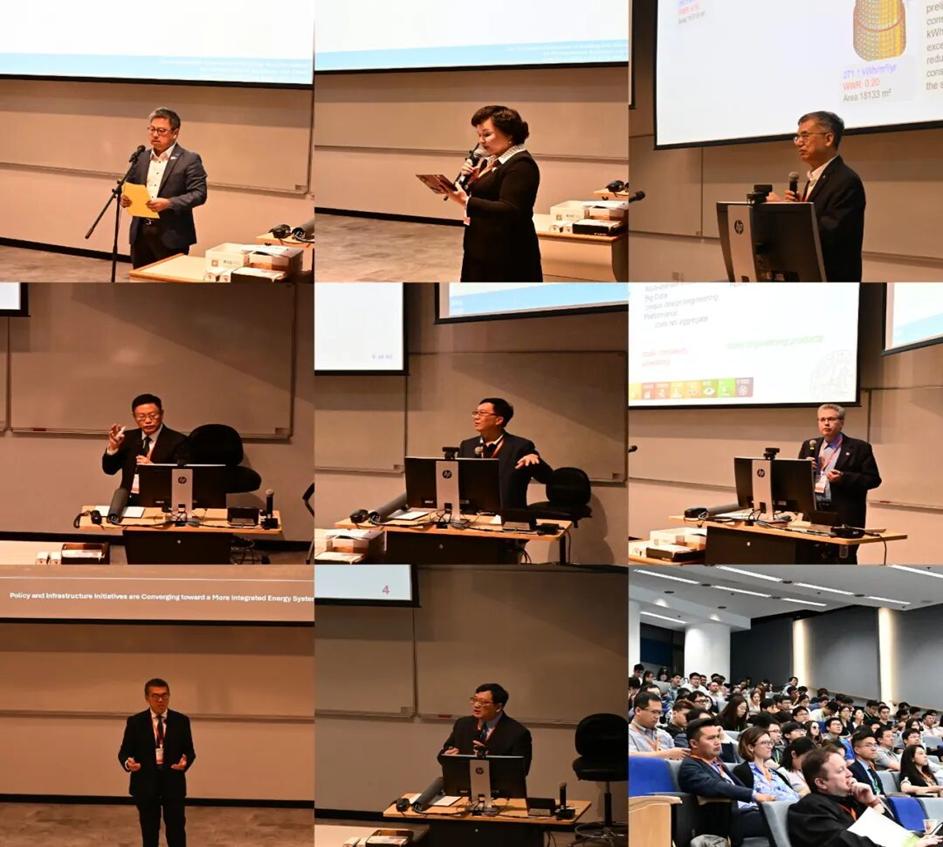
At the opening ceremony on the morning of June 11, Professor Yingxin Zhu from Tsinghua University presided over the whole session. Professor Hongjin Luo, Dean of Engineering at The Hong Kong University of Science and Technology, delivered a welcome address on behalf of the host university. Six distinguished industry and academic pioneers delivered opening keynote speeches, including Professor Qingyan Chen from Hong Kong Polytechnic University; Professor Pieter de Wilde, Vice President of the International Building Performance Simulation Association; Professor Yuk Kwok Li from the University of Hong Kong; Mr. Chun Yin Mak, Global Senior Vice President of Envision Digital; Professor Wei Pan from the University of Hong Kong; and Professor Da Yan, Editor-in-Chief of Building Simulation.
On June 12, the second keynote forum was chaired by Professor Siqi Zheng from Massachusetts Institute of Technology. World-leading scholars including Professor John Little from Virginia Tech; Professor Xiaofeng Li from Tsinghua University; Professor Dejan Mumovic from University College London; Professor Jianlei Niu, Editor-in-Chief of Energy and Buildings; and Professor Jinyue Yan, Editor-in-Chief of Advances in Applied Energy shared cutting-edge research outcomes on low-carbon urban governance. In the afternoon, a poster exhibition featuring 52 academic works was opened to all participants; every attendee could cast up to three votes to select outstanding posters. Five Best Poster Awards and five Poster Nomination Awards were granted to outstanding young researchers.
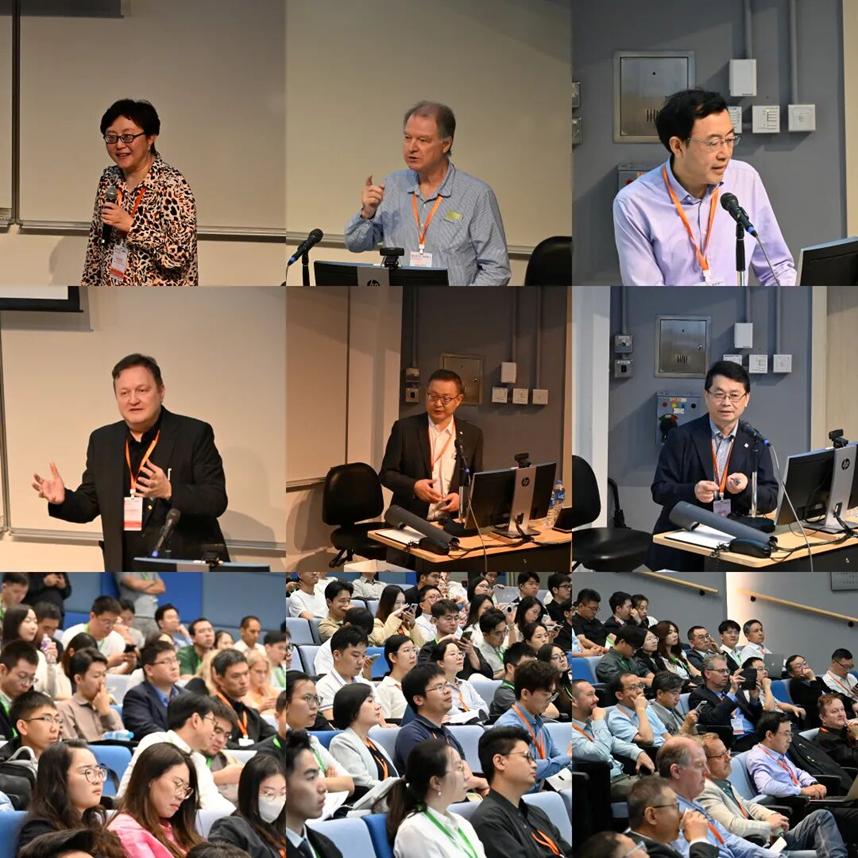
The final keynote session on June 13 was chaired by Professor Borong Lin from Tsinghua University. Invited speakers included Chair Professor Shengwei Wang from Hong Kong Polytechnic University, Professor Alfonso Capozzoli from Politecnico di Torino, Professor Zhiqiang Zhai from the University of Colorado, Professor Richard de Dear from the University of Sydney, and Professor Xianting Li from Tsinghua University. The closing ceremony, also hosted by Professor Borong Lin, featured closing remarks delivered by Chair Professor Limin Zhang, Head of HKUST’s Department of Civil and Environmental Engineering and National Outstanding Engineer. The conference concluded with the presentation of Best Presentation Awards and Best Poster Awards.
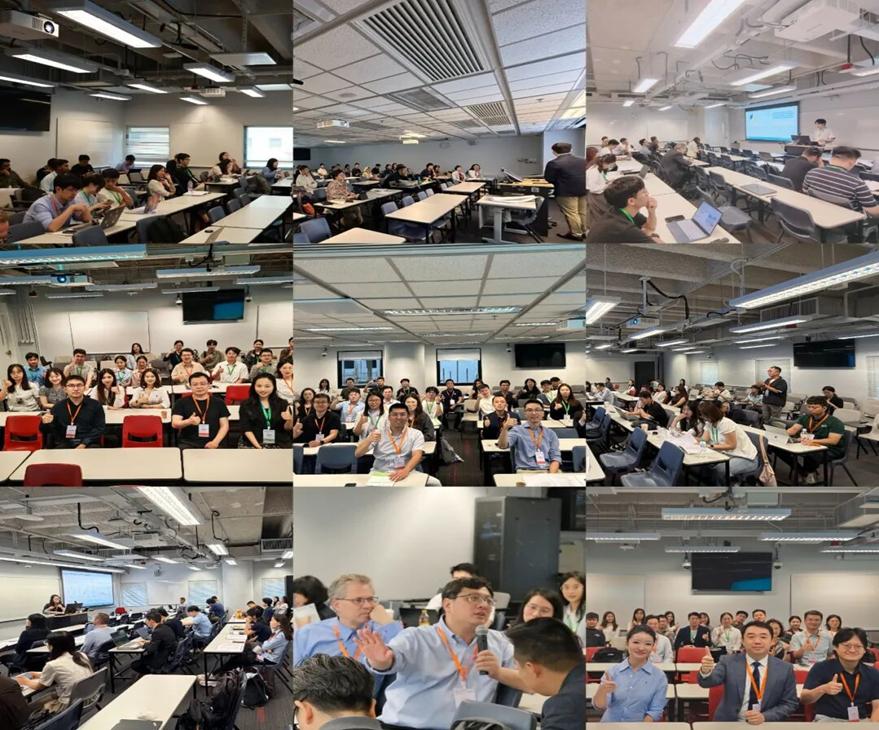
As a landmark pan-Asian academic conference under the Asian Universities Alliance, the workshop deepened cross-border and cross-disciplinary cooperation among AUA member institutions. It generated actionable research on passive and active low-carbon building design, generative data-driven modeling, building-integrated renewable energy, district energy systems and smart microgrid optimization-laying a solid foundation for AUA’s follow-up joint research projects on smart and climate-neutral cities.
Source: HKUST; Editor: Jingtong XU, Renjie XIE