The Asian Universities Alliance–Tsinghua University Summer School 2026 (AUA–THU Summer School 2026) was successfully held from 27 June to 10 July 2026. Themed "Beyond Boundaries Together: Co-Creating the Future of Smart Manufacturing," the summer school was co-hosted by AUA and Tsinghua University and jointly organized with the Fourth Tsinghua Global Youth Dialogue (TGYD), offering an international learning platform that integrated academic exchange, industry exposure, and cross-cultural dialogue for youth participants from Asia and beyond.
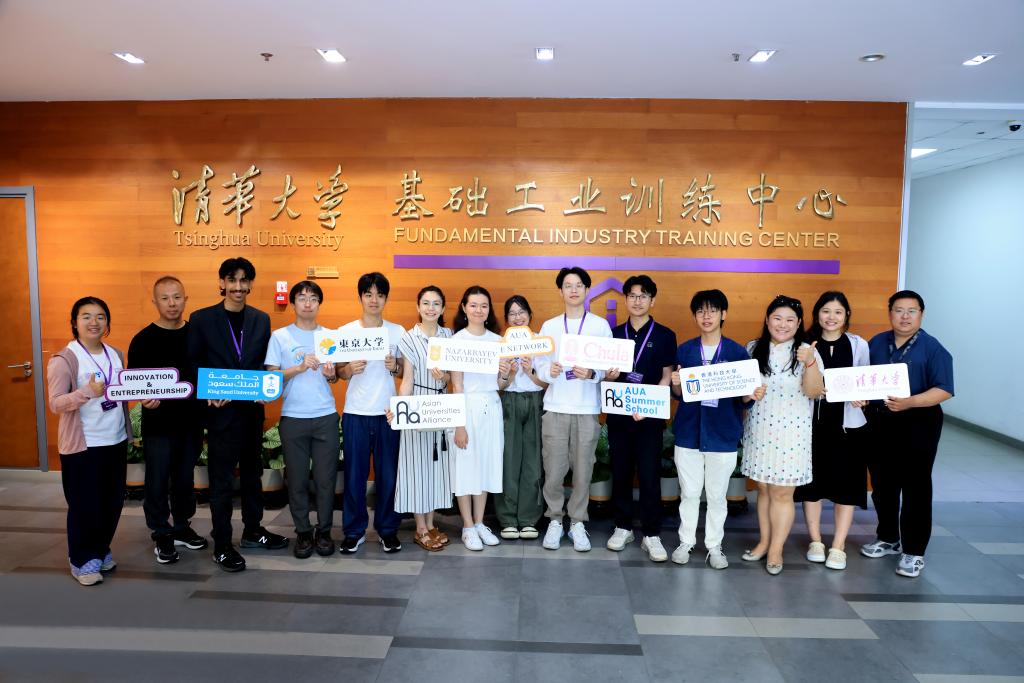
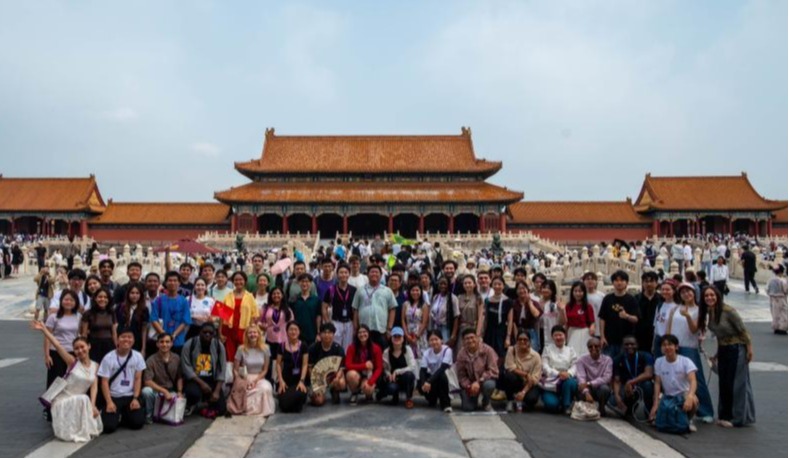
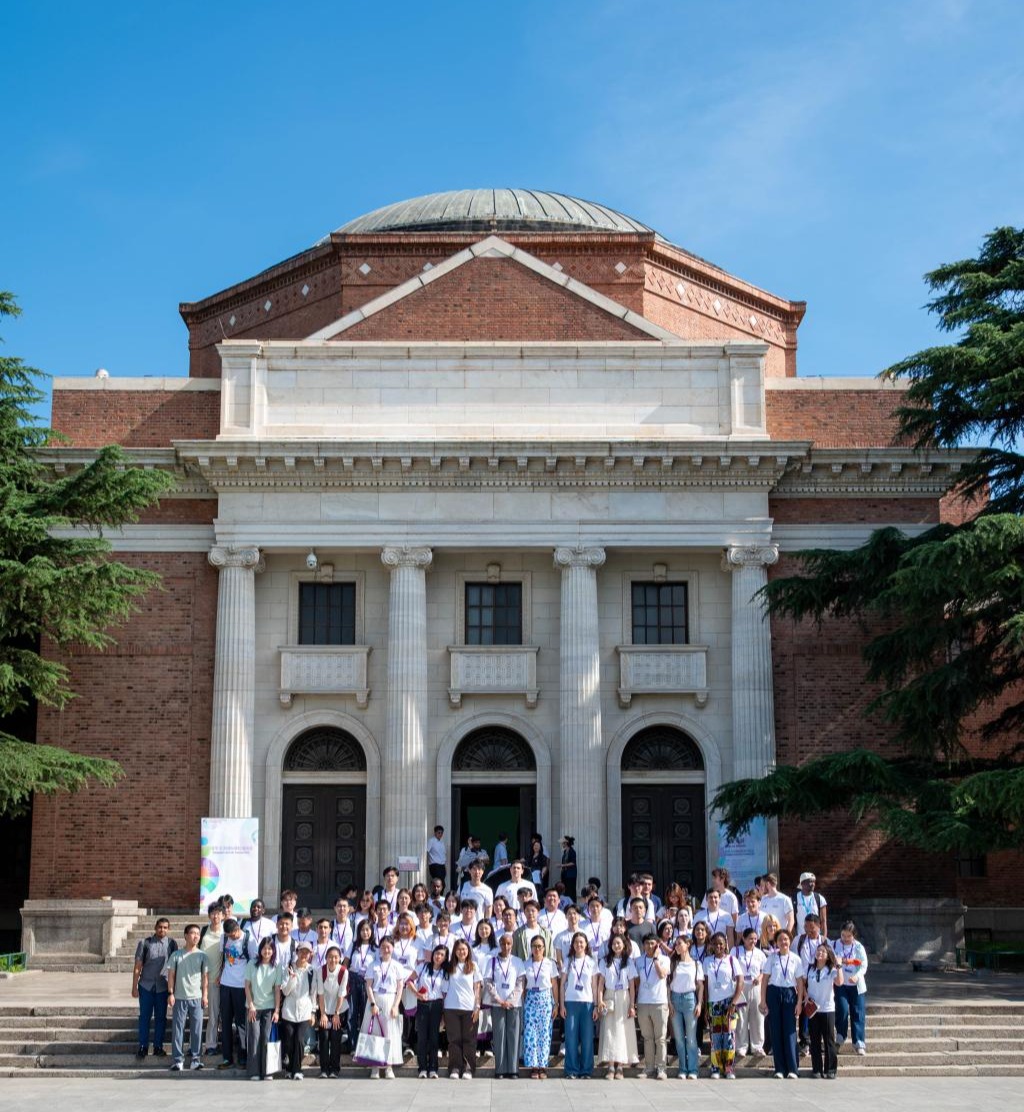
As a flagship initiative of AUA, this inaugural summer school was designed to strengthen collaboration among member universities, foster interdisciplinary and intercultural engagement, and advance joint talent development and youth exchange mechanisms within the Alliance. With a strong emphasis on innovation, entrepreneurship, and engineering practice education, the program built a globally oriented learning framework that bridged theory, industry, and cultural understanding.
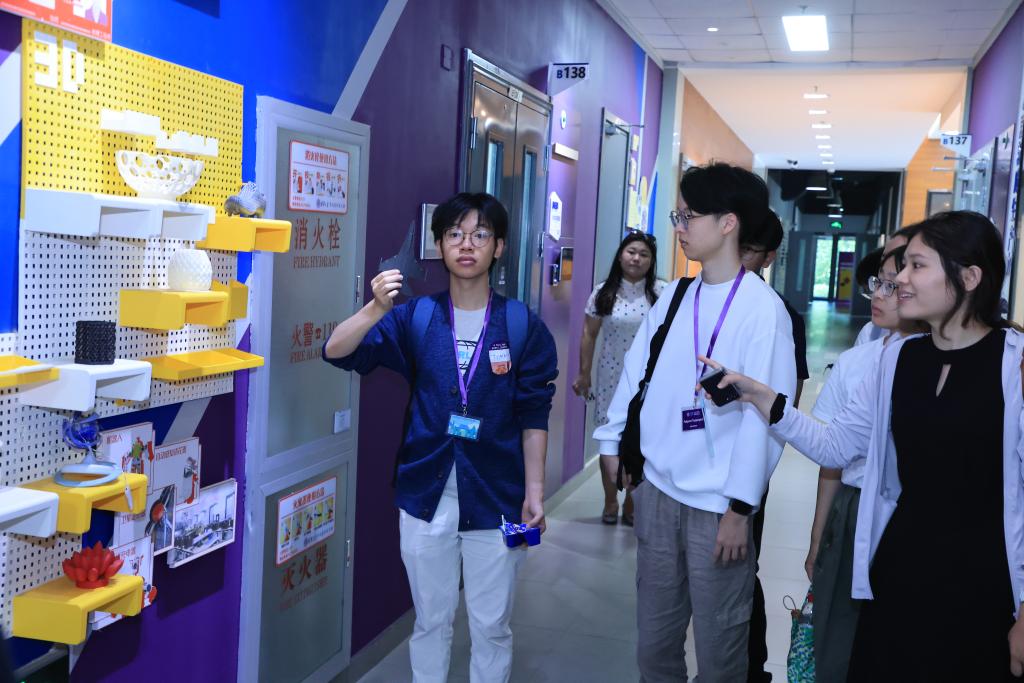
Tsinghua University, as this year's convenor of the AUA Innovation and Entrepreneurship Network, consistently shares its high-quality educational resources, including its internationally recognized engineering and innovation education practices within the AUA community. The AUA Secretariat collaborated closely with Tsinghua’s Fundamental Industrial Training Center (iCenter)—the university’s core hands-on training platform—to design customized practical courses for the AUA–THU Summer School, providing participants with systematic, immersive engineering practice sessions.
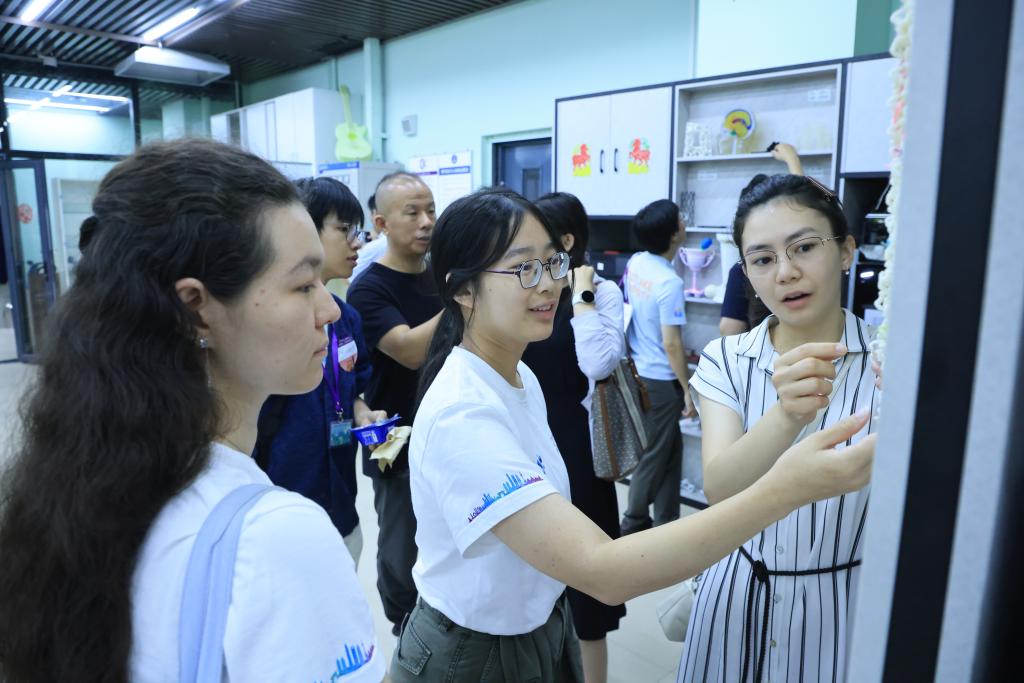
During the 14-day program, more than 200 participants from 64 countries and regions took part, including student representatives from AUA member universities and other youth leaders from global universities and international organizations. This diverse cohort created a rich environment for cross-cultural and multilateral collaboration.
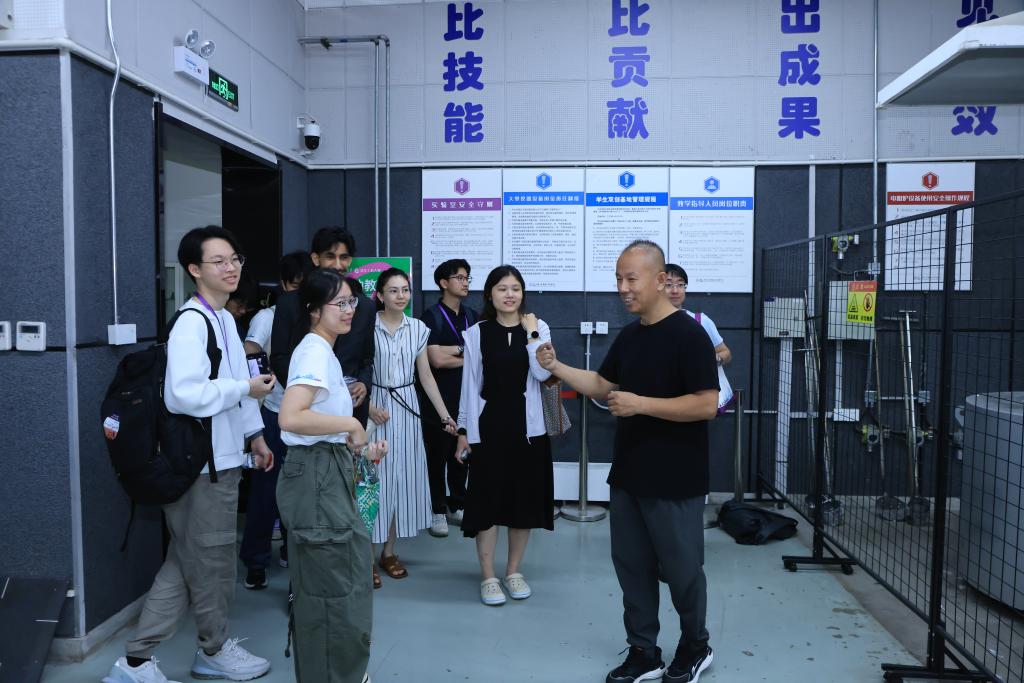
The program was conducted across Hangzhou, Shanghai, and Beijing, centered on three thematic modules—"Smart China," "Open China," and "Cultural China." In Hangzhou and Shanghai, participants visited leading enterprises and innovation platforms in artificial intelligence, smart manufacturing, and the digital economy, gaining first-hand exposure to cutting-edge technologies and industrial dynamics. In Beijing, they engaged in student dialogues, lectures, workshops, and cultural visits, deepening their understanding of China's pathways in technological innovation and cultural heritage preservation. Through multi-city, context-based learning, the program effectively integrated academic knowledge with real-world observation, significantly enhancing participants' grasp of innovation ecosystems and industrial development trends.
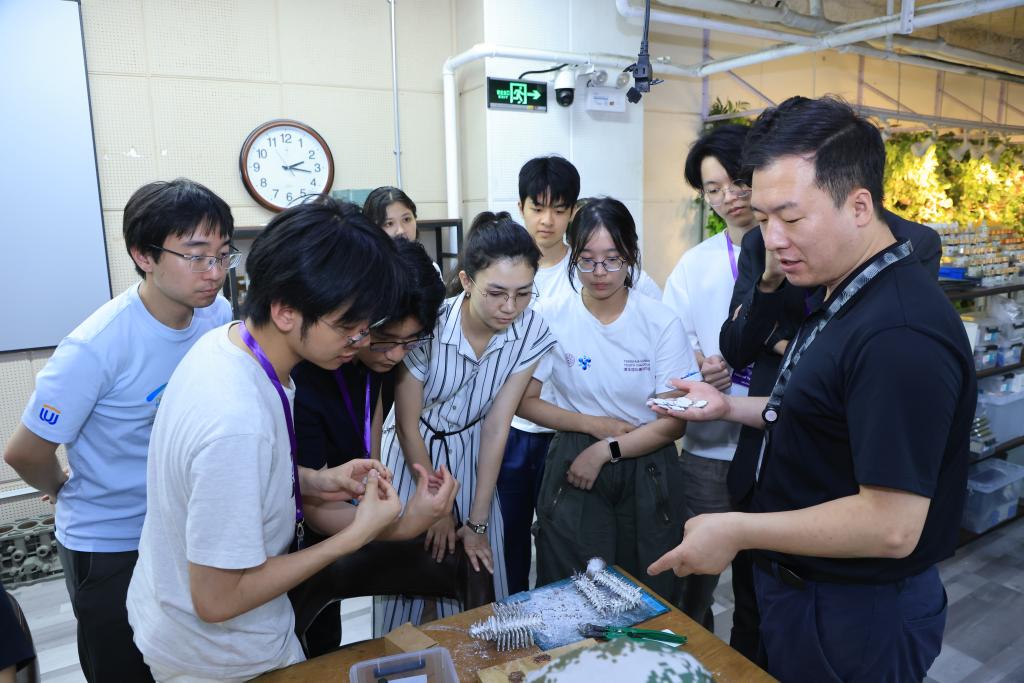
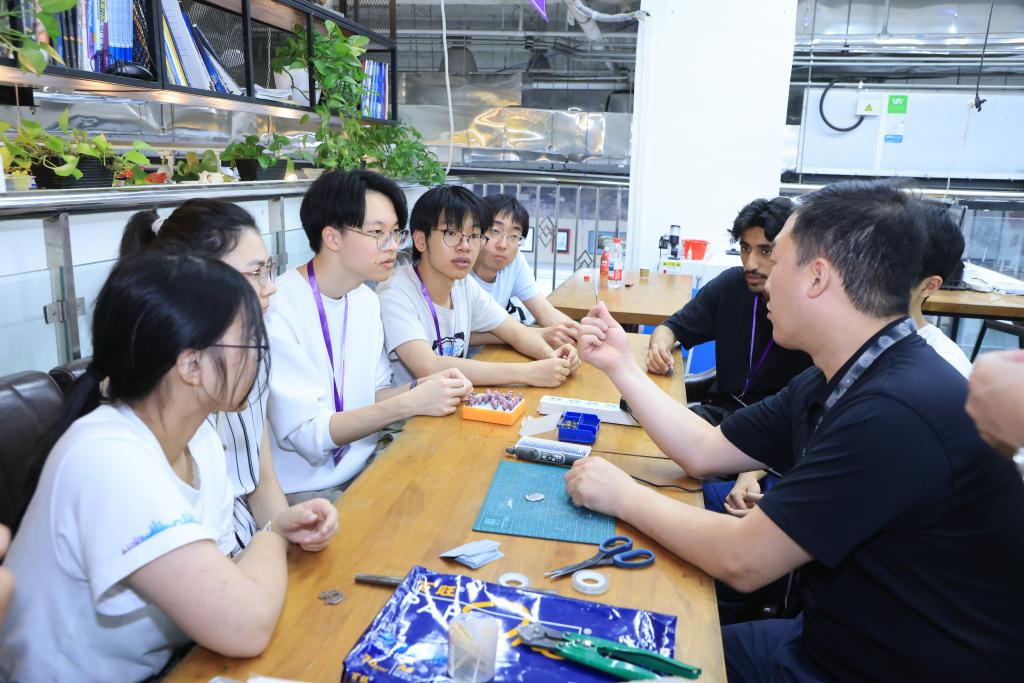
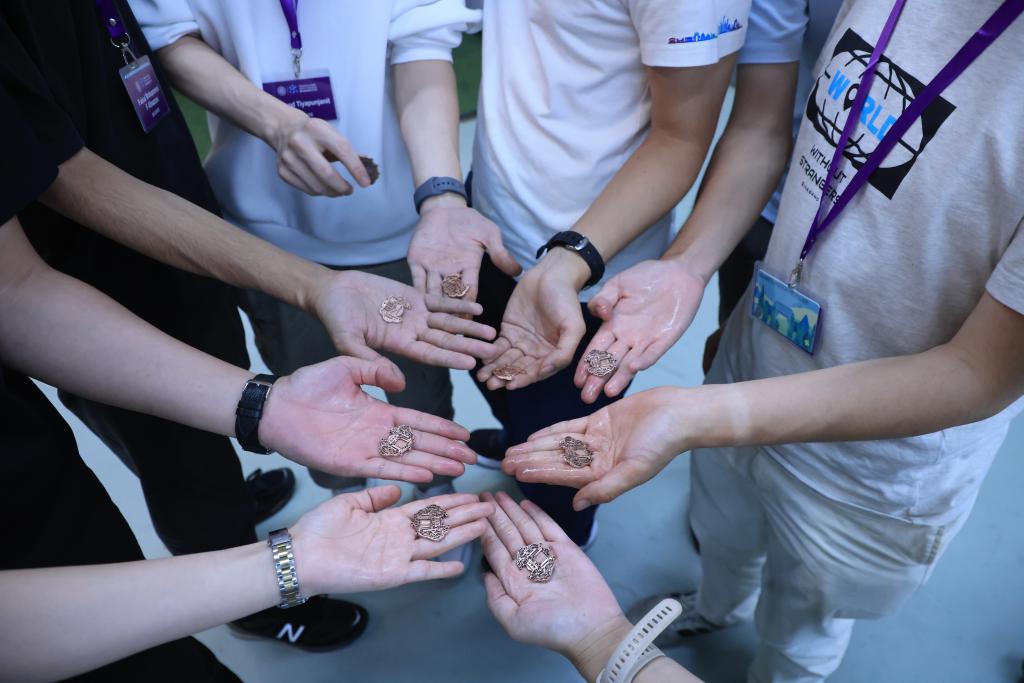
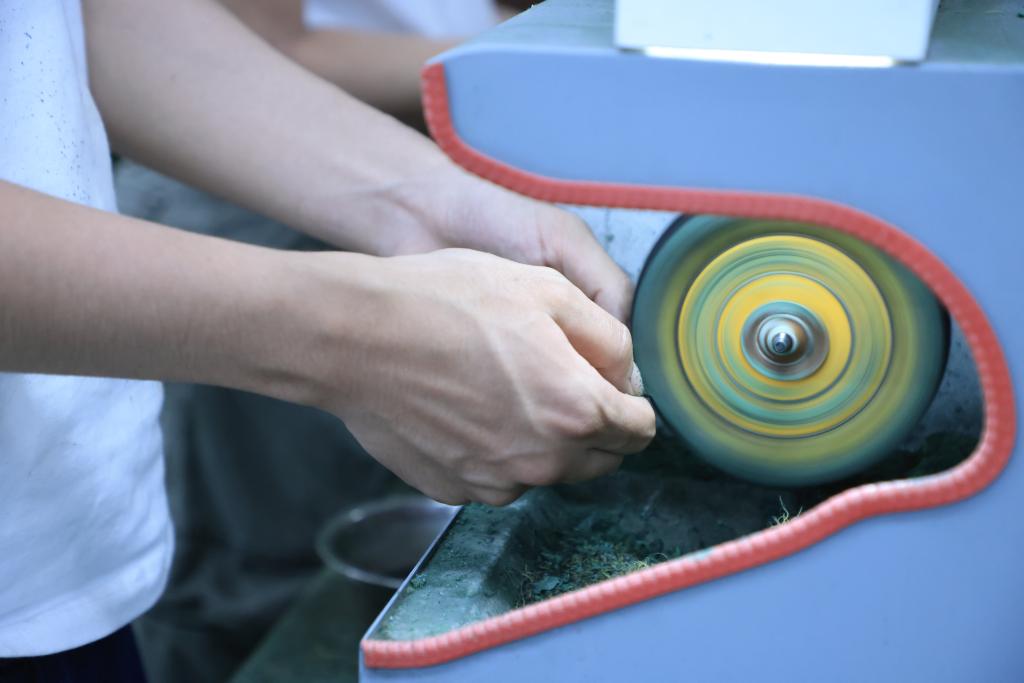
A key highlight was the dedicated Training Day held at iCenter on 8 July. As the convenor of the AUA Innovation and Entrepreneurship Network, Tsinghua University leveraged its established strengths in engineering education and practical training to deliver a structured, immersive experience. In the morning, participants toured the center's laboratories and engineering practice spaces, learning about Tsinghua's engineering education system and its achievements in nurturing innovative talent. They then joined a "Chinese Miniature Garden Eco-Bottle" workshop, where they explored traditional Chinese garden aesthetics and ecological design through hands-on activities such as soil layering, plant arrangement, and miniature landscape construction. In the afternoon, an enamel craft workshop guided participants through the complete production process—from design sketching and enamel application to high-temperature firing and polishing—allowing them to appreciate the material science and engineering logic behind traditional craftsmanship, as well as its synergy with modern design thinking.
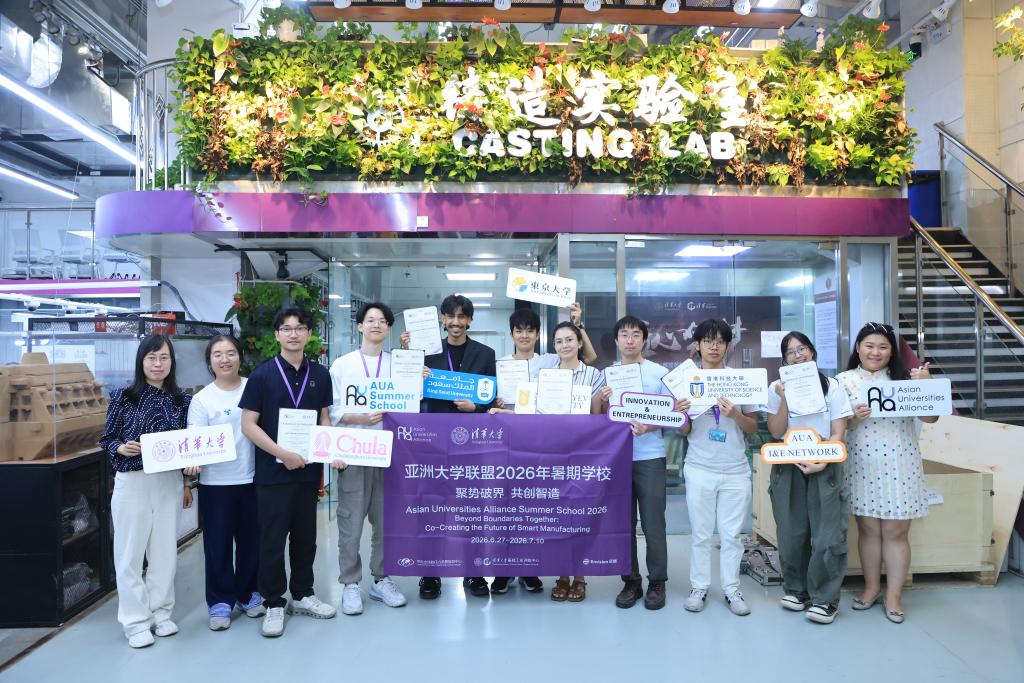
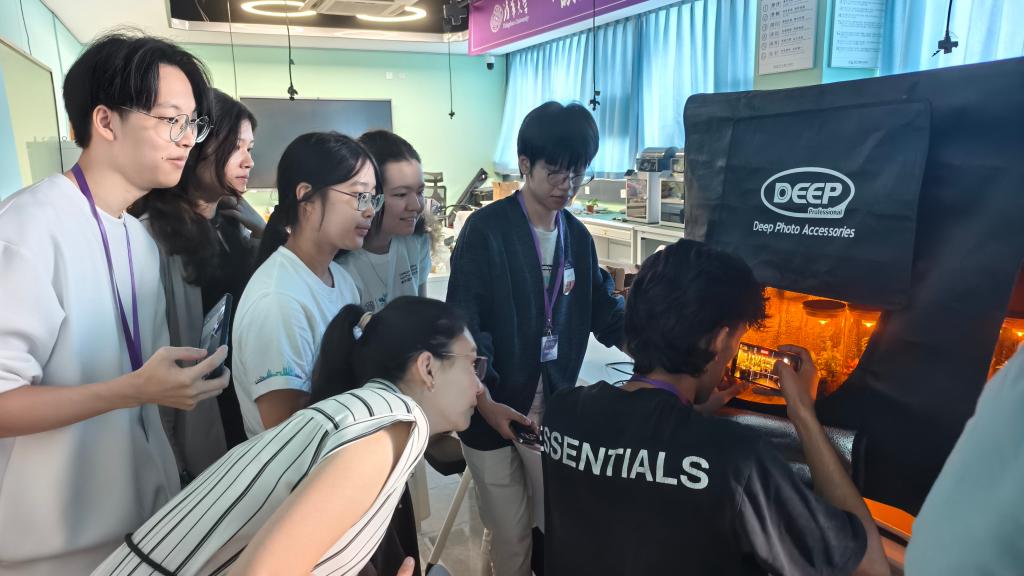
By integrating structured innovation and entrepreneurship education with cross-cultural exchange, this summer school created an open, practice-oriented learning environment that significantly strengthened participants' competencies in cross-cultural communication, teamwork, and innovation practice.
(Writer: WANG Sa, CAI Xiaodan)