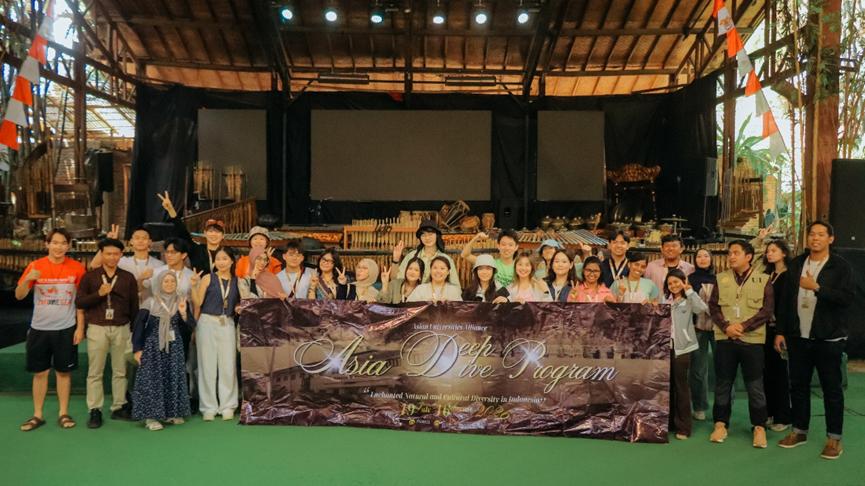
Hosted by the School of Mathematics and Natural Sciences, Universitas Indonesia, the 2026 AUA Asia Deep Program (ADDP) has concluded successfully. Centered on the theme “Enchanted Natural and Cultural Diversity in Indonesia”, this year’s program continuously adopted a hybrid online-offline format, gathering 20 outstanding undergraduate students from 8 member universities of AUA. Combining in-depth academic research, hands-on field practice and immersive cross-cultural exchange, the transnational learning journey promoted inclusive cultural integration across Asia, and strengthened connections among AUA students.
The program delivered a well-structured, intensive and all-round learning agenda with well-integrated academic and practical sessions. From July 20 to 24, a five-day online academic lecture session laid a solid theoretical foundation for this student mobility program. A distinguished faculty team from Universitas Indonesia curated a series of high-quality thematic lectures covering frontier disciplines, including earth science, plate tectonics, volcanic dynamics, seismic monitoring and ethnobiology. Beyond scientific exploration, the sessions also incorporated rich humanistic perspectives on Indonesia’s historical evolution, regional geographical features and social development, breaking the disciplinary boundaries of traditional single-domain learning.
Throughout the online lectures, participants acquired systematic knowledge of Indonesia’s unique geomorphological characteristics, natural disaster prevention and mitigation systems, and tropical biodiversity. They also gained cutting-edge insights into atmospheric science, space research and other emerging fields. The diversified and in-depth lectures equipped all participants with a comprehensive theoretical basis to support subsequent offline field investigations and practical exploration.
Held from August 9 to 16, the seven-day immersive offline field study constituted the core highlight of the program, realizing an effective integration of theoretical knowledge and real-world practice. Participants traveled across Indonesia to visit iconic educational and research sites, conducting on-site scientific investigations and experiencing local culture firsthand.
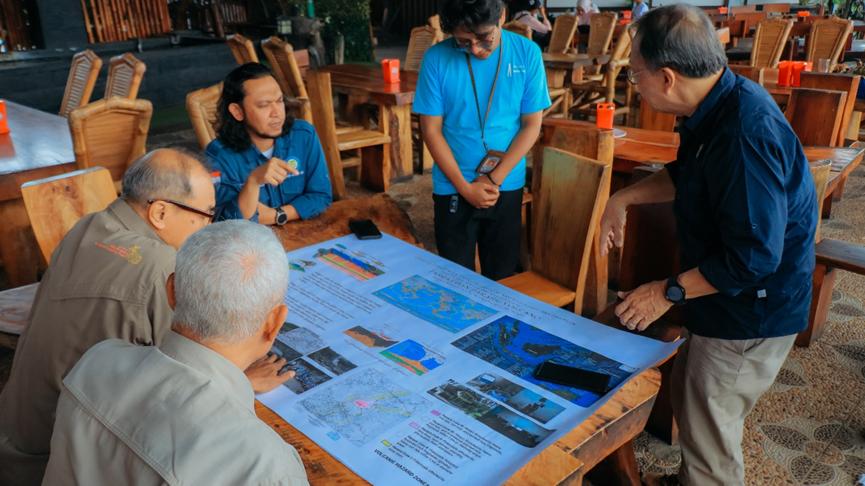
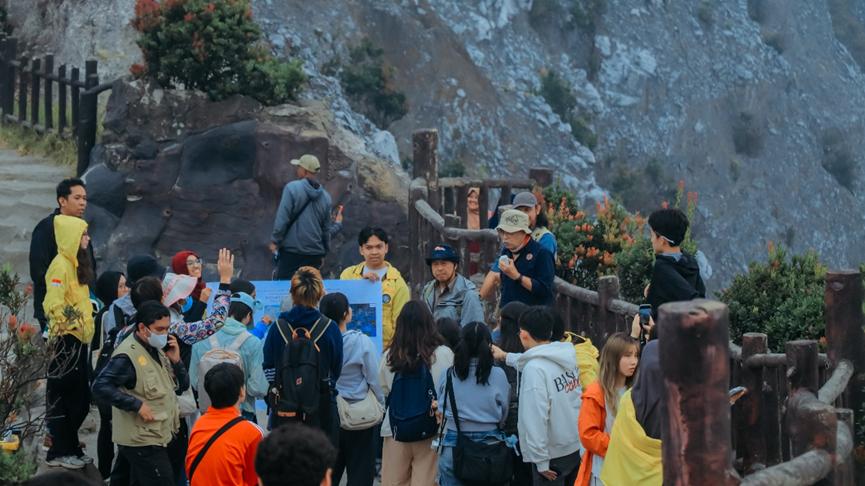
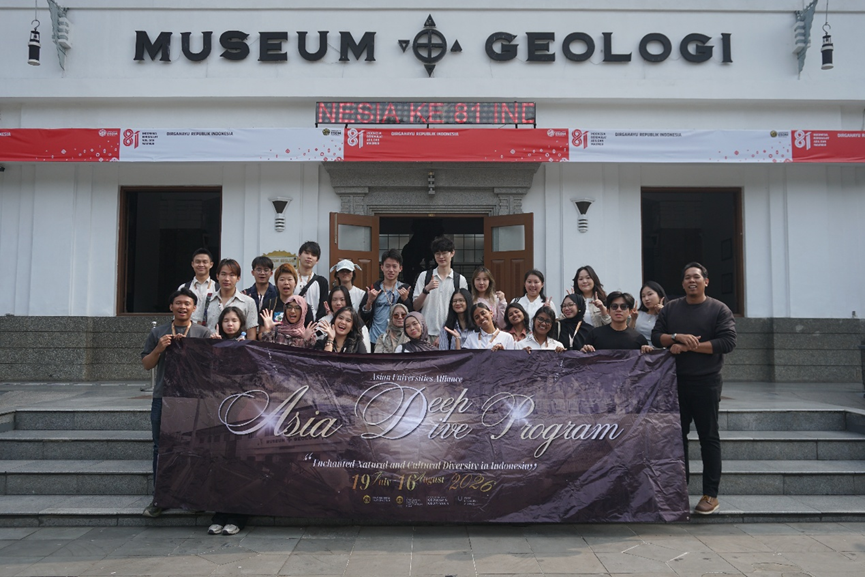
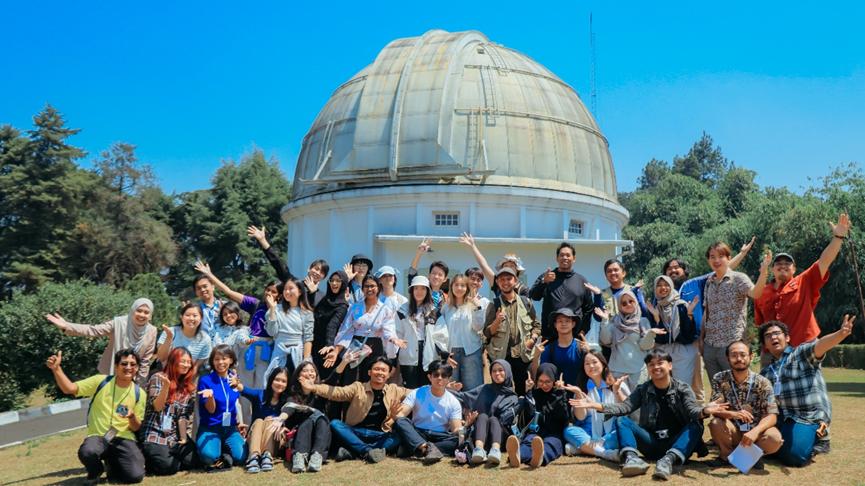
During the field trip, participants explored rare tropical biodiversity resources at Bogor Botanical Gardens, observed astronomical and space science phenomena at Bosch Observatory, and carried out field surveys on geological structures at the Lumbang Fault of Mount Batu. They also studied stratigraphic evolution laws and disaster prevention & mitigation strategies at the Geological Museum, gaining intuitive and in-depth understanding of Indonesia’s distinctive natural ecosystems, geological landscapes and mature practical mechanisms for natural disaster monitoring, early warning and prevention.
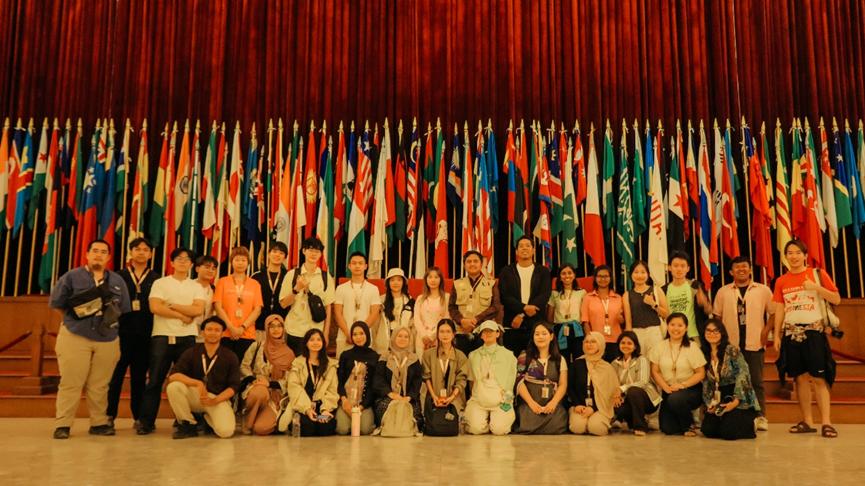
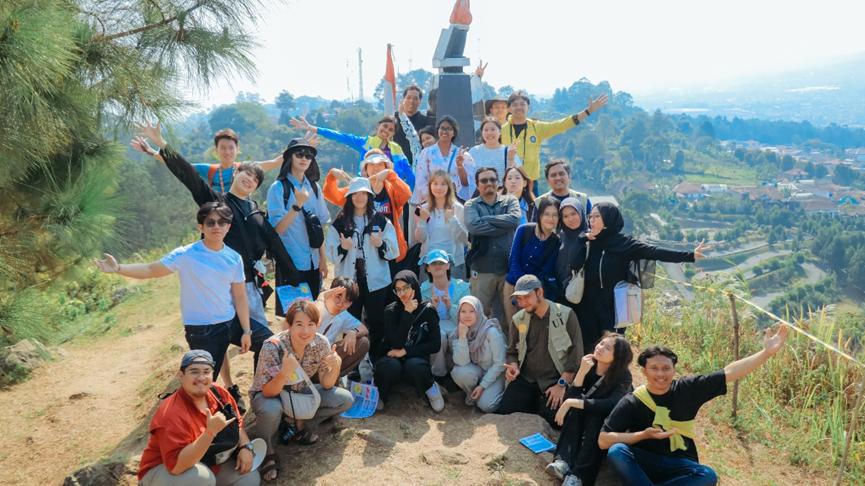
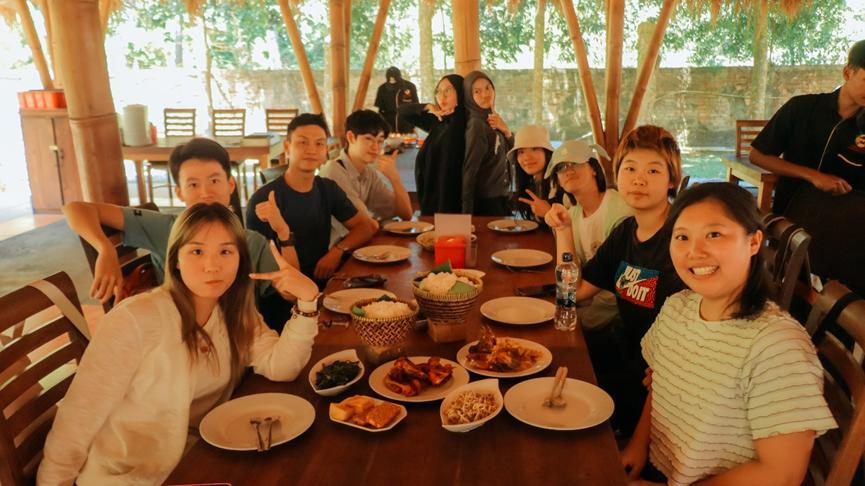
In addition to scientific research practice, the program arranged rich cultural experience activities. By visiting the Asian-African Conference Museum and Sangklok Wajo Cultural Workshop, and experiencing authentic Indonesian cuisine and folk customs, students deeply perceived the country’s profound historical heritage and diverse cultural charm. The program integrated natural science education with humanistic and aesthetic cultivation, bringing participants a three-dimensional, all-dimensional learning experience.
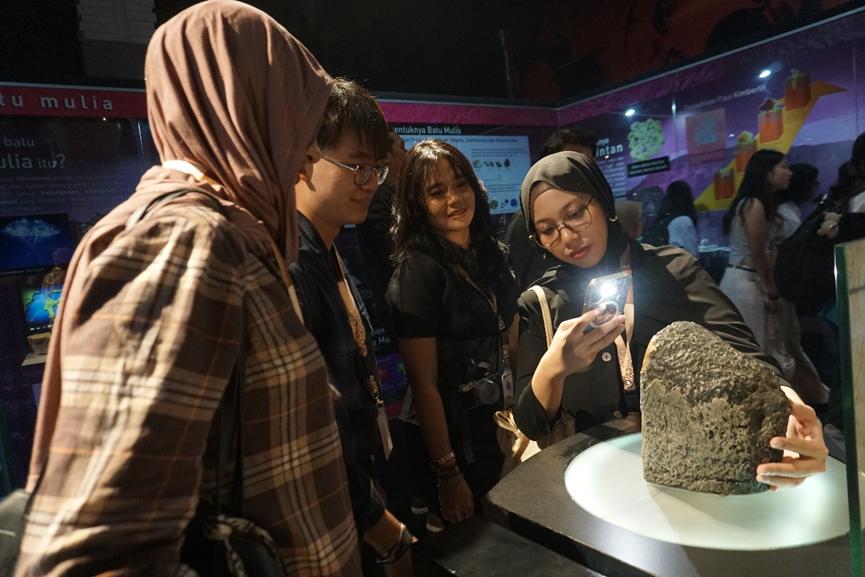
The 2026 AUA ADDP won wide recognition and unanimous praise from all student participants and faculty members of the host university. Lian Yifei, a student from Tsinghua University, spoke highly of the program and shared fruitful gains from this AUA mobility opportunity. She noted that she had long anticipated the exchange program for its rich, well-organized curriculum arrangement, and the overall experience far exceeded her expectations.
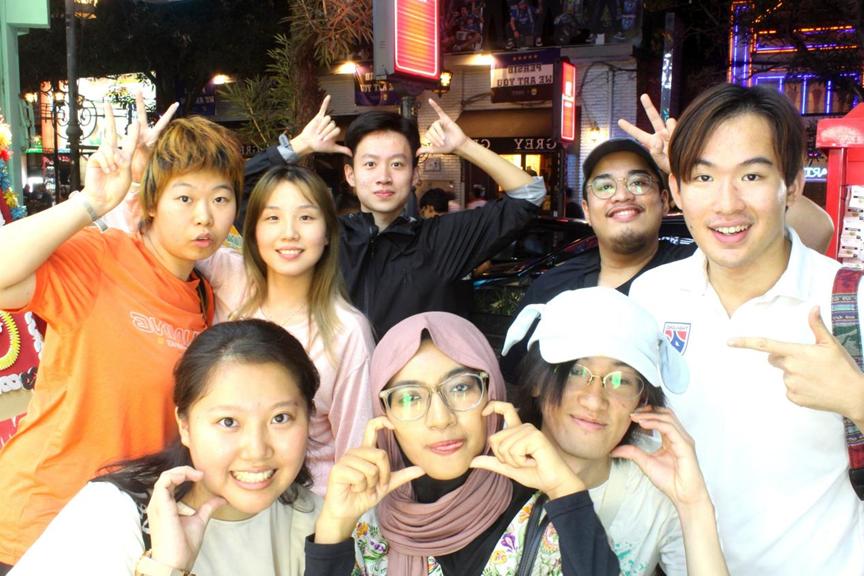
As a flagship mobility initiative of the Asian Universities Alliance, the AUA Asia Deep Program provides immersive academic and cross-cultural learning experiences for young scholars across all member institutions. It not only offered rigorous professional courses to consolidate students’ academic foundation and intuitive practical sessions to deepen their understanding of Indonesian ecological diversity, but also built a solid communication bridge for young scholars from different Asian countries and regions. It helps broaden participants’ vision, consolidate AUA members’ cooperative bonds, and continuously boost high-quality educational collaboration and cultural communication across the Asian region.
(Writer: XU Jingtong | Editor: Kim Tan, CAI Xiaodan | Photo: Universita Indonesia)